
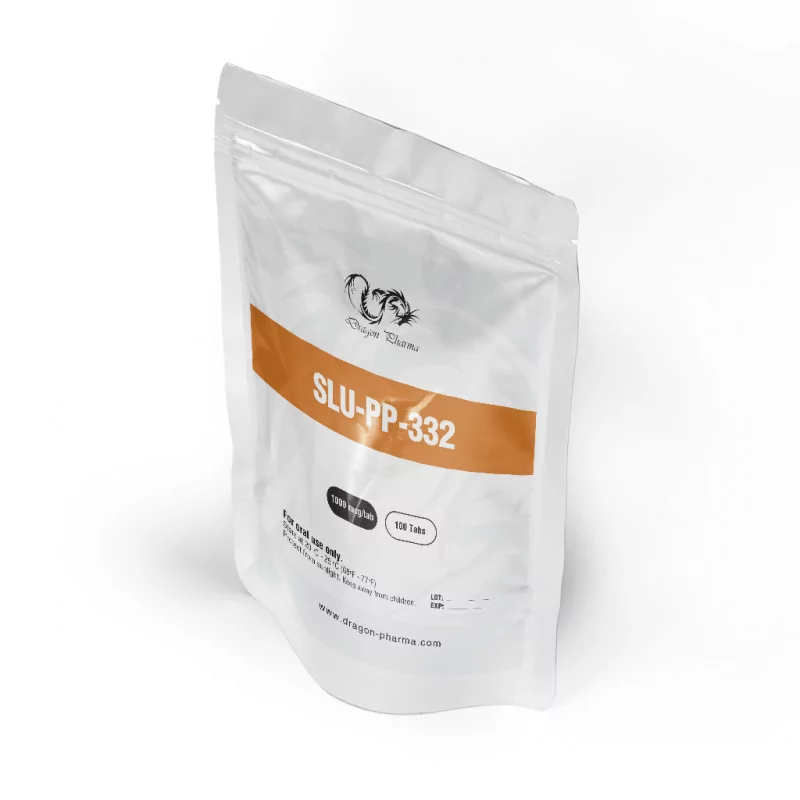
Dragon Pharma SLU-PP-332: Novel Metabolic Pathway Activation
Dragon Pharma SLU-PP-332 represents a cutting-edge research compound that operates through a unique mechanism targeting estrogen-related receptor alpha (ERRα) pathways. Each tablet contains 500mcg of this novel compound, offering researchers and advanced athletes access to a potentially revolutionary approach to metabolic enhancement and endurance improvement. Unlike traditional metabolic agents that primarily stimulate adrenergic receptors, SLU-PP-332 works through nuclear receptor activation, providing a distinct pathway for performance enhancement.
Understanding SLU-PP-332’s Unique Mechanism of Action
SLU-PP-332 functions as a potent and selective agonist of estrogen-related receptor alpha (ERRα), a nuclear receptor that plays a crucial role in regulating mitochondrial biogenesis and energy metabolism. According to preliminary research published in PubMed Central, activation of ERRα pathways leads to increased expression of genes involved in fatty acid oxidation, mitochondrial function, and oxidative phosphorylation. This mechanism potentially enhances endurance capacity and metabolic efficiency without directly stimulating the cardiovascular system.
Potential Applications for Athletic Performance
Dragon Pharma SLU-PP-332 shows promise for endurance athletes and bodybuilders seeking to improve training capacity and fat utilization. The 500mcg tablet strength allows for precise dose escalation in research settings, enabling systematic exploration of its effects on exercise performance. Early investigations suggest this SLU-PP-332 research compound by Dragon Pharma may enhance mitochondrial density and improve metabolic flexibility, potentially allowing for longer, more intense training sessions.
Metabolic Enhancement Through Mitochondrial Activation
Unlike conventional stimulants that increase energy expenditure through sympathetic nervous system activation, SLU-PP-332 appears to work by optimizing cellular energy production at the mitochondrial level. This approach potentially offers endurance benefits without the tachycardia, tremors, or anxiety associated with traditional stimulants. The compound’s effects on fatty acid oxidation could make it particularly valuable during cutting phases when preserving glycogen stores becomes critical.
Research-Based Dosing Considerations
As a research compound with limited human data, dosing protocols for SLU-PP-332 remain experimental. Preliminary animal studies suggest effective doses in the 500-2000mcg daily range for a 70kg individual. The 6-8 hour estimated half-life likely necessitates twice-daily administration for stable receptor activation. Researchers typically begin with 500mcg daily and gradually increase based on tolerance and observed effects.
Complementary Dragon Pharma Research Compounds
When investigating SLU-PP-332 in a comprehensive research context, scientists often explore synergistic combinations with other Dragon Pharma compounds. Consider parallel investigation with Cardarine for PPARδ activation, SR-9009 for REV-ERB agonism, GW-0742 for additional PPARδ effects, Icaritin for ERRγ modulation, and AMPK activators for comprehensive metabolic pathway research.
Safety Considerations in Research Context
As with any research compound, appropriate precautions are essential. Limited long-term safety data exists for SLU-PP-332, though preliminary studies indicate favorable tolerability profiles. Researchers should monitor for potential off-target effects and implement standard laboratory safety protocols. The non-hormonal mechanism suggests different safety considerations compared to traditional performance-enhancing compounds.
Comparative Analysis with Traditional Metabolic Agents
SLU-PP-332 offers a fundamentally different approach compared to beta-agonists like Clenbuterol or thyroid hormones. Rather than directly increasing metabolic rate, it appears to optimize energy utilization efficiency. This could potentially provide endurance benefits without the catabolic risks associated with significant metabolic acceleration. The nuclear receptor mechanism also suggests different adaptation patterns compared to surface receptor agonists.
Future Research Directions and Potential
The ERRα pathway represents an exciting frontier in metabolic research, with potential applications extending beyond athletic performance to metabolic disorders and age-related mitochondrial decline. Dragon Pharma’s provision of pharmaceutical-grade SLU-PP-332 enables controlled investigation of these potential applications. The 500mcg tablet formulation allows for precise dosing in systematic research protocols.
Why Dragon Pharma’s Research Compound Standards Excel
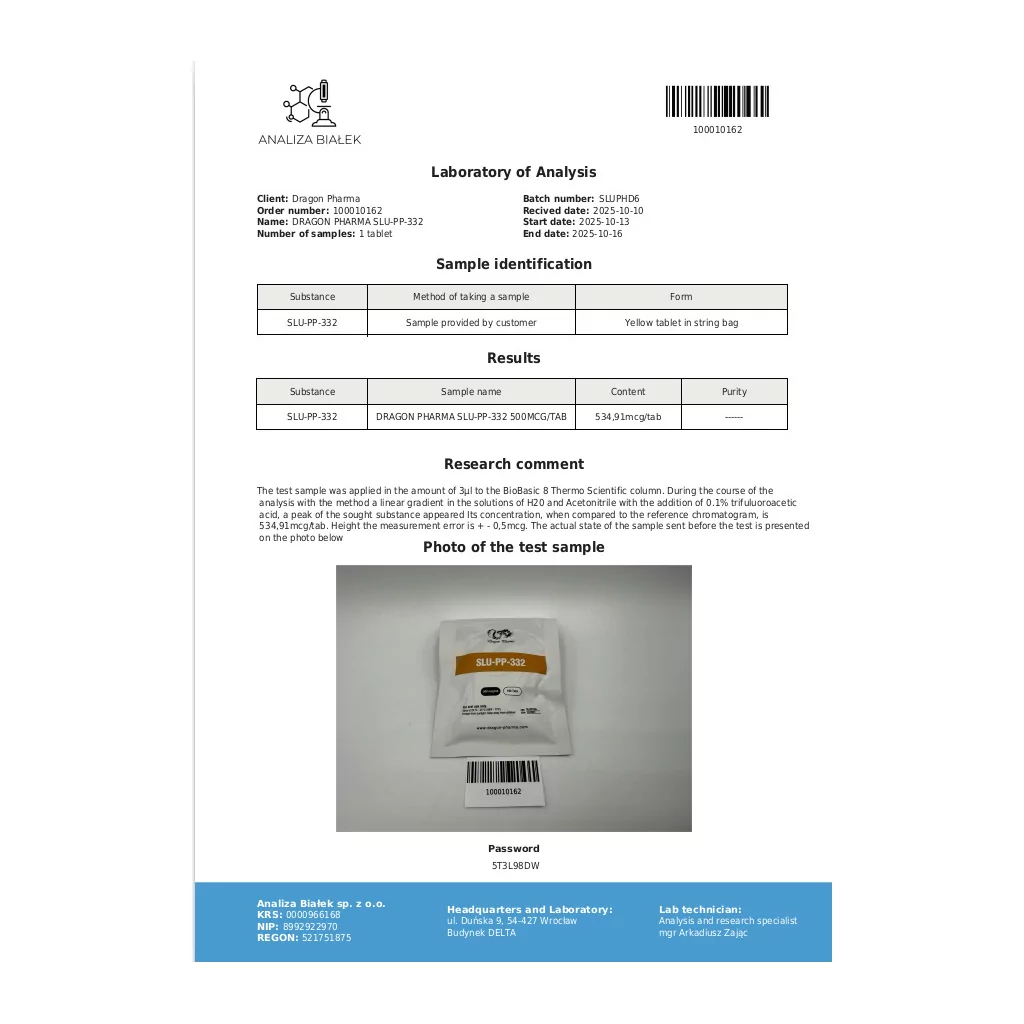
Dragon Pharma’s commitment to research-grade quality ensures consistent compound purity and accurate dosing that surpasses many research chemical suppliers. While SLU-PP-332 is available from various sources, Dragon Pharma’s pharmaceutical-grade manufacturing provides researchers with reliable material for systematic investigation. This reliability is crucial for generating reproducible results in metabolic research.
Frequently Asked Questions About Dragon Pharma SLU-PP-332
ERRα (Estrogen-Related Receptor Alpha) is an orphan nuclear receptor that regulates genes involved in mitochondrial function, fatty acid oxidation, and energy homeostasis. It’s considered a master regulator of mitochondrial biogenesis and oxidative metabolism, making it a promising target for metabolic enhancement without direct stimulation of adrenergic pathways.
While both compounds enhance endurance and fat oxidation, they work through completely different mechanisms. Cardarine activates PPARδ receptors, while SLU-PP-332 targets ERRα pathways. This difference suggests potentially complementary effects and different safety profiles. The mechanisms may synergize for comprehensive metabolic enhancement.
As a nuclear receptor agonist affecting gene expression, SLU-PP-332’s effects likely develop gradually over days to weeks rather than providing immediate stimulation. Mitochondrial changes require time for biogenesis and adaptation. Most researchers report noticing endurance improvements within 1-2 weeks of consistent administration at effective doses.
In research settings, combination studies are valuable for understanding potential synergies. However, appropriate controls and careful dose escalation are essential when combining novel compounds. The different mechanisms of action suggest potential for complementary effects with beta-agonists, PPAR agonists, and other metabolic enhancers.
Standard research precautions apply: start with low doses, implement gradual escalation, maintain detailed records, monitor for unexpected effects, and have contingency plans for adverse reactions. While preliminary data suggests good tolerability, the limited human experience necessitates conservative research approaches.
Reviews
There are no reviews yet.